


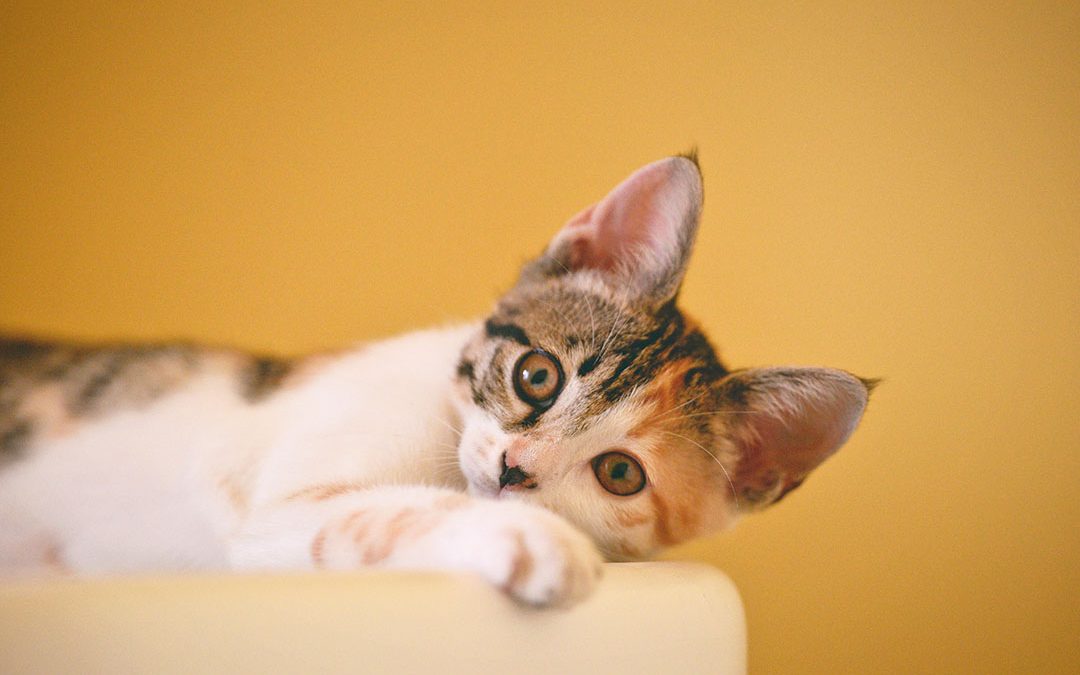
Just like humans, cats experience a wide range of emotions, which can be both positive and negative – and your cat can be very subtle in the way that they express them. Unfortunately, your cat isn’t able to vocalise what is wrong with them like humans can; so it is vital that you can understand your cat’s body language, know the signs to look out for and understand what it is they’re trying to tell you.
A happy cat is a healthy cat, so it is very important to make sure that their emotional needs are taken care of, as well as their physical needs. Keeping them physically active, healthy and providing them with lots of opportunities for positive experiences.
Cat Body Language: What is it?
As with humans, your cat’s body language is their non-verbal way of expressing and communicating how they’re feeling. The domestic cats that we have opened our homes (and hearts) to have evolved from the African Wildcat, which is a solitary species that doesn’t necessarily want to openly advertise when they are feeling fearful or in pain – as to do so would potentially make them easier targets for predators in the wild. Due to this ingrained natural instinct, your cat might try to hide what they are really feeling from you.
However, there are some giveaways in your cat’s body language and behaviour which can give you a clue as to what your cat is feeling.
Cat Communication: How do they do it?
Cats can tell their human owners or caregivers how they are feeling through the use of a combination of noises and body language. From their ears to their tail, through how they position themselves and what they choose to reveal to you – their tummy for example; cats give off signals and communicate with their whole body.
Body Language: When should I pay attention?
One of the best and most important times to observe your cat’s behaviour and overall body language is when you are interacting with them. This will help you to learn about whether your cat is enjoying what you are doing, tolerating it or just flat out not enjoying it at all. Cats aren’t known for being a particularly tactile species, which means that they can sometimes find too much handling quite stressful (even though they might not show this in obvious ways).
The more close attention you can pay to how your cat responds while you’re interacting with them, the less likely you are to be on the receiving end of a bite or scratch. You will also be able to better understand how much stroking and fuss your cat likes and where, as well as knowing when your cat has had enough.

