


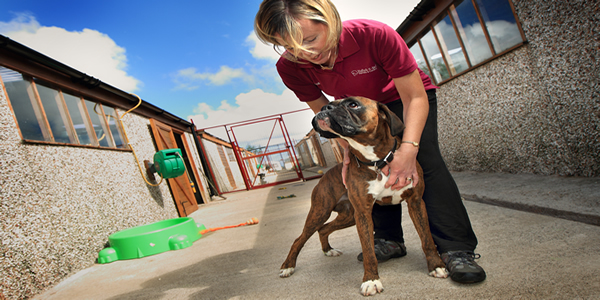
If we are lucky enough to get some gorgeous sun during the summer months, most of us can hardly wait to pack our bags and cars and head for the beach or garden to enjoy the heat and the sunshine. While it’s true that we should make the most of such weather, we must also think about the safety of our cats and dogs. We at Hafod-y-Bryn Kennels, Llandudno, North Wales have written a guide on how to care for your cats and dogs during the summer.
Never Leave Pets in Hot Cars
The summer heat can be extremely dangerous for cats and dogs. Awareness for keeping dogs in hot cars has grown substantially with reports of passers-by breaking car windows of owners who have left their dog in a heated car. Do not leave your pet in a hot car; not even for a minute or with the car engine still running, as quickly rising heat can cause organ damage or even death to your pet.
Heatstroke and Dehydration
Dogs are unable to sweat as humans do. Instead, they pant in order to evaporate water from their tongue and therefore the heat away from their bodies. In doing so, they are using up a large amount of water within their bodies, and can therefore cause dehydration and sunstroke. Symptoms of heatstroke in dogs include:
- Lethargy
- No coordination
- Red coloured gums
- Laboured breathing or rapid panting
- Vomiting and diarrhoea
- In some cases, seizures
Water is a must! Please keep water topped up and close by to all dogs in warm weather – in particular older dogs that may have underlying health conditions. If you notice symptoms of heatstroke in your dog please move them out the heat, gently splash cool water over them, gently fan them and give them small sips of water to drink. Lastly, please phone your dog’s vet and let them know you will be coming in as soon as possible.
Cats enjoy relaxing in the sun, and often sunbathe outside when the sun is shining. By doing this, they are at risk of dehydration and heatstroke. This is why you must always keep water nearby. If your cat seems listless or un-coordinated, it may have heatstroke. Other symptoms of dehydration include:
- Dry gums
- Drooling
- Vomiting
- Fast heart rate
- Panting
If your cat demonstrates any of these symptoms, please encourage them to drink and place them in shade. Call your vet for advice on how to proceed.
Seasonal Allergies
Does your cat or dog scratch excessively during the summer months, or bite or chew certain areas of her body in an attempt to quell her relentless itching? This may be down to seasonal allergies. Watch out for inflamed skin or tenderness as well as open sores, or scabbing in worse cases, to see if your pet is a sufferer.
Recommendations for a cat or dog with allergies during the warmer months include giving frequent baths to give immediate relief from itching and foot soaks to reduce the chances of your pet from walking allergens into the house. Please use non-toxic cleaning products and clean floors frequently. Talk to your vet; however avoid using vaccinations or drugs that may disturb your pet’s immunity function.
Limit Exercise
During periods of warm weather, exercise during cooler periods such as mornings and evenings are recommended. Remember, asphalt can get extremely hot in the sun so be cautious and only walk your pets on grass.
Hairballs in Cats
During the warmer months, cats malt more – unfortunately for owners and their Hoovers! When your cat washer itself it swallows fur, sometimes producing hairballs. Your cat may be vomiting hair, losing its appetite, frequently dry coughing, or may be suffering from lethargy. In order to keep hair balls at-bay, brush your cat regularly.

